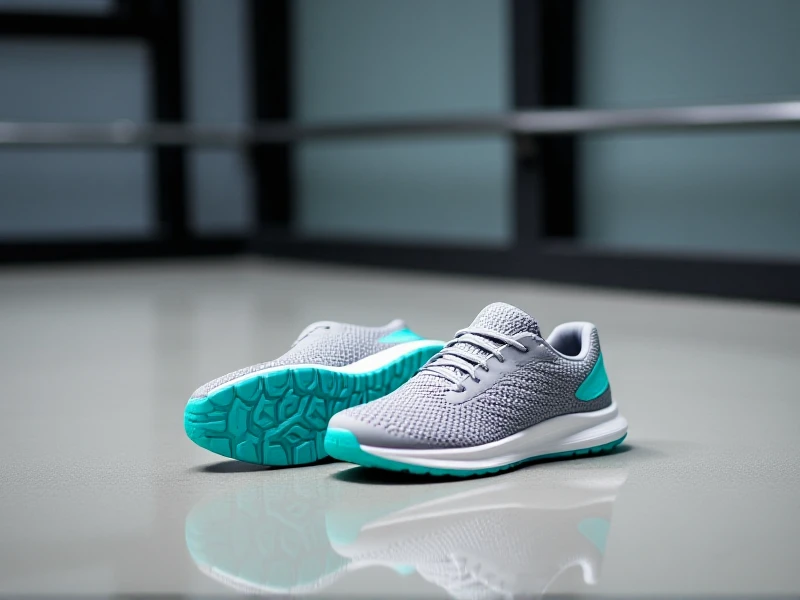
Finding the Perfect Pair: Your Ultimate Guide to Sports Shoes
Your choice of athletic footwear plays a crucial role in performance, comfort, and injury prevention. Whether you're pounding the pavement, hitting the trails, dominating the court, or lifting weights, the right sports shoes are your foundation. Understanding the different types available empowers you to find the perfect match for your chosen activity and body mechanics.
Not all sports shoes are created equal. Running shoes, designed primarily for forward motion, emphasize cushioning and shock absorption in the heel and midsole. Brands invest heavily in innovative technologies like responsive foams, lightweight meshes, and stability features to cater to different gaits. For trail runners, look for deeper lugs and more durable, protective uppers to handle uneven terrain.
Court sports - basketball, tennis, volleyball - demand different attributes. These athletic shoes prioritize lateral support, ankle stability, and responsiveness for quick multi-directional movements. Outsoles need exceptional traction on polished surfaces. Think about the specific demands: basketball shoes often feature high-tops for ankle support, while tennis shoes balance lateral stability with flexible forefoot support.
For cross-training, gym sessions, or HIIT workouts, versatility is key. Look for sports shoes offering a blend of cushioning, stability for lateral movements, and a flatter base suitable for lifting. They should provide adequate support without feeling cumbersome. Walking shoes also deserve mention, focusing on comfort and heel-to-toe roll for everyday or fitness walking.
Choosing Your Ideal Fit:
- Know Your Activity: Be specific. Don't wear running shoes for basketball; it compromises safety and performance.
- Understand Your Feet: Consider your foot shape (wide/narrow), arch type (flat, neutral, high), and pronation (how your foot rolls inward). Gait analysis, available at many specialty stores, can be invaluable.
- Prioritize Fit over Fashion: A shoe that's slightly too small or too wide will cause problems. Prioritize ample toe room (about a thumbnail's width from your longest toe to the shoe's end), a secure midfoot fit, and no pinching.
- Feel the Support: The midsole should feel supportive without being rigid. Walk or jog around the store. Pay attention to heel slippage and overall stability.
- Cushioning: The amount you need depends on joint sensitivity, weight, and activity intensity. Some prefer soft, plush cushioning, while others need firmer responsiveness.
- Wear Appropriate Socks: Try shoes on with the type of athletic socks you usually wear for accuracy.
Investing in the correct sports shoes enhances your workout, reduces discomfort, and helps protect against common injuries like plantar fasciitis, shin splints, and stress fractures. Replace them regularly – typically every 300-500 miles for runners, or when the cushioning feels flat and traction diminishes. Finding the perfect pair is fundamental to achieving your fitness goals comfortably and safely. Don't compromise; your feet will thank you!
Ready to elevate your game? Visit our store or browse online to discover a wide range of high-performance sports shoes tailored to your active lifestyle and find your perfect match today!