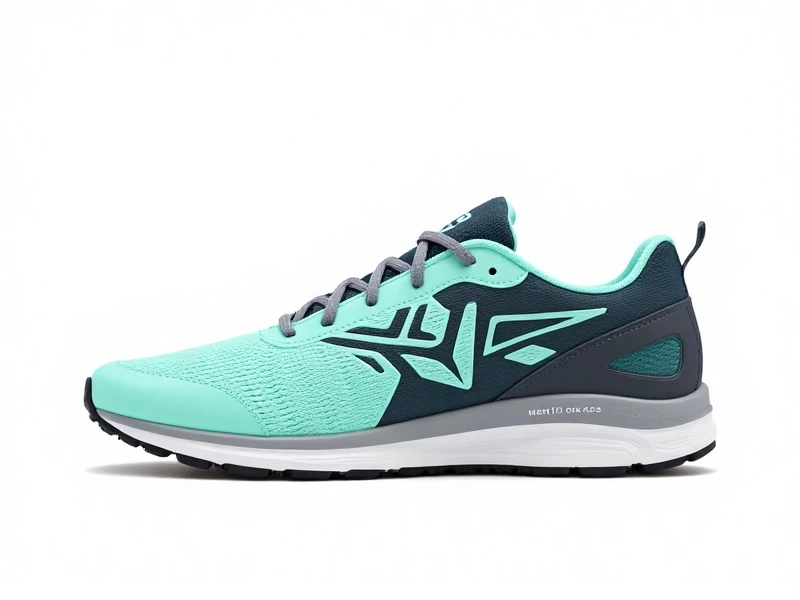
The Perfect Pair: Finding Sports Shoes That Boost Your Performance
For anyone hitting the pavement, the court, the trail, or the gym, the unsung hero is almost always a great pair of sports shoes. These aren't just fashion statements; they're essential partners designed to optimize movement, protect your feet, and elevate your athletic pursuits. But with an overwhelming array of options, finding the right sports shoes specifically tuned to your needs is crucial.
The foundation of any good sports shoe starts with comfort and fit. A poorly fitting shoe isn't just annoying; it can lead to blisters, discomfort, and even injuries like plantar fasciitis or shin splints. Look for a shoe offering a secure heel cup, ample toe room (about a thumbnail's width), and a snug midfoot hold without pinching. Materials should offer breathability to keep feet cool and reduce moisture buildup during demanding runs or intense workouts. Modern mesh uppers often provide excellent ventilation while maintaining structure.
Beyond fit, the type of cushioning and support varies tremendously based on your primary activity and foot biomechanics. Running shoes, for instance, are usually designed for forward motion and offer significant cushioning to absorb repeated impact forces striking heels or forefoot. Brands engineer varied midsole technologies. If you need stability to counter overpronation (inward rolling), look for denser foam on the inner side or supportive guide rails built into the midsole. For trails, sports shoes prioritize rugged outsoles with aggressive lugs for unparalleled grip on mud, rocks, and uneven surfaces, plus often added rock plates beneath the foot for protection.
Dedicated training sports shoes often feature flatter, wider soles for enhanced stability during side-to-side movements, lateral cuts, lifts, and jumps common in HIIT or weightlifting. Basketball shoes provide substantial ankle support through higher collars and robust midfoot lockdown. Cross-trainers offer versatility across multiple gym disciplines. Matching the shoe's capabilities to your specific sports activity is non-negotiable for peak performance and injury prevention.
Don't underestimate the importance of the outsole material and tread pattern. A durable, high-abrasion rubber is vital for traction on asphalt or hardwood courts. The tread design – deep grooves, multi-directional patterns, or specific pivot points – directly affects grip and how quickly you can change direction. Quality outsoles also greatly extend the shoe's overall lifespan.
Durability remains paramount. High-quality construction in the upper, stitching, and midsole compression resistance ensures your investment lasts. While premium running models might be optimized for cushioning lifespans of 300-500 miles, daily trainers often offer enhanced resilience.
Ultimately, the best sports shoes actively enhance your movement. They should feel like an extension of your foot – providing responsive energy return without hindering natural motion. They empower stability, deliver reliable traction, and help you push boundaries comfortably and confidently. Choosing the right performance sports shoes is one of the most significant gear decisions an active individual makes. If your feet could talk, they'd thank you for investing in perfection.