2026-04-20
Here is the optimized SEO article focusing on "Sports Shoes":
Searching for footwear that keeps up with your active lifestyle? Finding the right pair of sports shoes is crucial, impacting not only your performance but also your comfort and injury prevention. Whether you're a devoted runner, a gym enthusiast, or a weekend team player, understanding what makes great sports shoes is key.
Your primary activity dictates the best shoe type. Running shoes are engineered for forward motion, offering superior heel-to-toe cushioning. They absorb impact mile after mile. For court sports like basketball, tennis, or volleyball, look for high-top or supportive models. These sports shoes prioritize ankle stability, lateral support for quick side-to-side movements, and durable outsoles designed for specific surfaces. Heading indoors? Cross-training shoes offer versatile support perfect for HIIT classes, weightlifting, and gym-based activities, balancing stability with flexibility.
Beyond activity, assess vital performance features:
- Cushioning: This absorbs shock. Plush cushioning suits long-distance runners seeking comfort, while responsive cushioning delivers energy return for sprinters or court players. The amount and type (foam, gel, air) vary greatly between brands like Nike, Adidas, and Brooks.
- Support and Stability: Especially important if you overpronate (your foot rolls inward excessively) or have flat feet. Stability or motion control runners feature firmer medial posts. Neutral runners offer balanced cushioning without added correction.
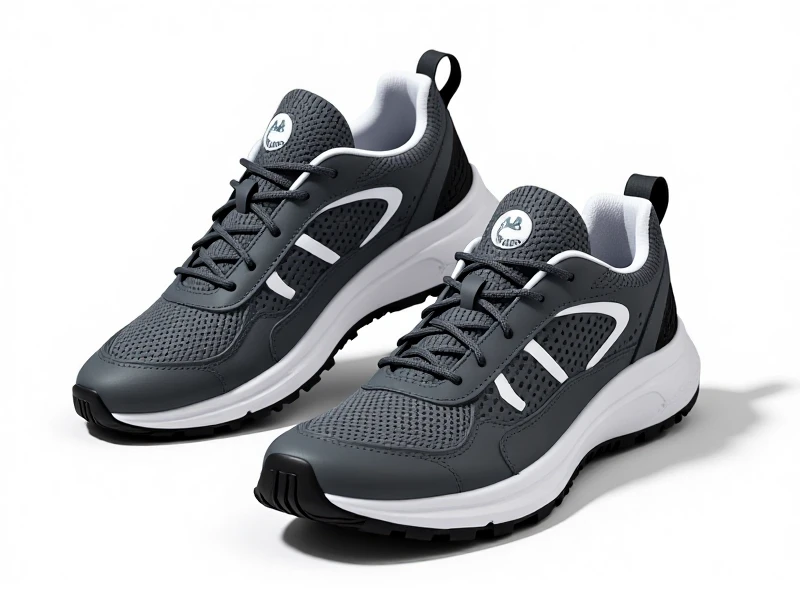
- Fit and Comfort: Your sports shoes should fit snugly (about a thumb's width at the toe) without pinching or slipping. Breathable mesh uppers enhance comfort during long workouts. Remember to fit later in the day when feet are naturally slightly larger.
- Traction: The sole pattern should match your surface – aggressive lugs for trails, solid rubber or herringbone for indoor courts, balanced patterns for roads or treadmills. Good traction is critical to prevent slips.
Ignoring these factors can lead to discomfort, blisters, or more serious injuries like shin splints or knee pain. Take the time to analyze your gait (how you walk or run), understand your arch type (low, neutral, high), and know the demands of your main sport. Don't hesitate to visit a specialty store for personalized fitting advice.
Investing in the perfect pair of sports shoes is investing in your performance and well-being. Prioritize the needs of your feet and your favorite activity. With the right knowledge, you can confidently step into footwear that supports every move, letting you focus solely on achieving your athletic goals. Get ready to feel the difference proper sports shoes make – take the first step toward peak performance today! 👟🧎♀️🧎♂️
Here is the optimized SEO article focusing on "Sports Shoes":
Searching for footwear that keeps up with your active lifestyle? Finding the right pair of sports shoes is crucial, impacting not only your performance but also your comfort and injury prevention. Whether you're a devoted runner, a gym enthusiast, or a weekend team player, understanding what makes great sports shoes is key.
Your primary activity dictates the best shoe type. Running shoes are engineered for forward motion, offering superior heel-to-toe cushioning. They absorb impact mile after mile. For court sports like basketball, tennis, or volleyball, look for high-top or supportive models. These sports shoes prioritize ankle stability, lateral support for quick side-to-side movements, and durable outsoles designed for specific surfaces. Heading indoors? Cross-training shoes offer versatile support perfect for HIIT classes, weightlifting, and gym-based activities, balancing stability with flexibility.
Beyond activity, assess vital performance features:
- Cushioning: This absorbs shock. Plush cushioning suits long-distance runners seeking comfort, while responsive cushioning delivers energy return for sprinters or court players. The amount and type (foam, gel, air) vary greatly between brands like Nike, Adidas, and Brooks.
- Support and Stability: Especially important if you overpronate (your foot rolls inward excessively) or have flat feet. Stability or motion control runners feature firmer medial posts. Neutral runners offer balanced cushioning without added correction.
- Fit and Comfort: Your sports shoes should fit snugly (about a thumb's width at the toe) without pinching or slipping. Breathable mesh uppers enhance comfort during long workouts. Remember to fit later in the day when feet are naturally slightly larger.
- Traction: The sole pattern should match your surface – aggressive lugs for trails, solid rubber or herringbone for indoor courts, balanced patterns for roads or treadmills. Good traction is critical to prevent slips.
Ignoring these factors can lead to discomfort, blisters, or more serious injuries like shin splints or knee pain. Take the time to analyze your gait (how you walk or run), understand your arch type (low, neutral, high), and know the demands of your main sport. Don't hesitate to visit a specialty store for personalized fitting advice.
Investing in the perfect pair of sports shoes is investing in your performance and well-being. Prioritize the needs of your feet and your favorite activity. With the right knowledge, you can confidently step into footwear that supports every move, letting you focus solely on achieving your athletic goals. Get ready to feel the difference proper sports shoes make – take the first step toward peak performance today! 👟🧎♀️🧎♂️